2 SAMUEL 5: 1-3
PSALM 121: 1-5
COLOSSIANS 1: 11-20
LUKE 23: 35-43
What does it mean for us that Jesus is King? What sort of King are we talking about: Is it a crucified King?
How we live out our faith depends on our image of who Jesus as King is for us. It affected the image that his disciples had before and after Jesus’ resurrection.
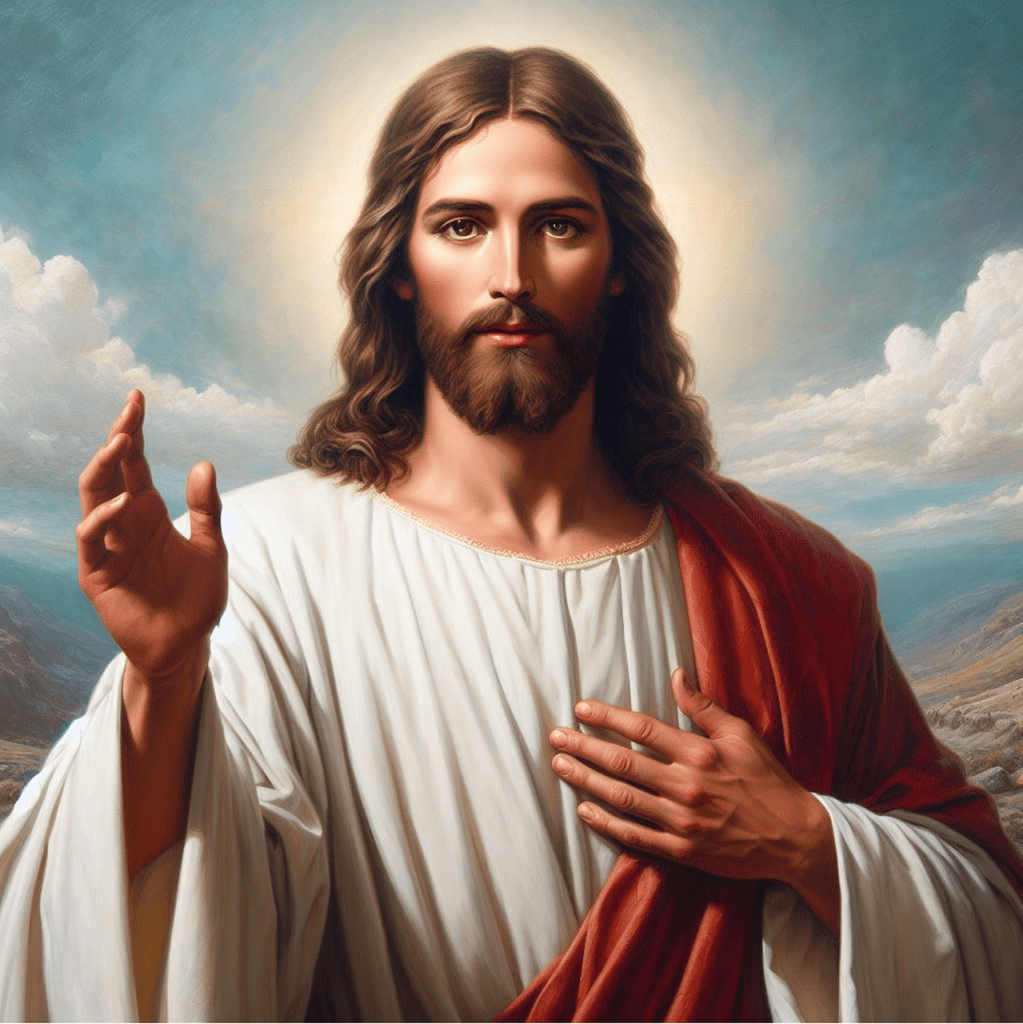
Today’s feast day of Christ the King reminds us that Christ has conquered sin and evil. He is our King, and we are called to follow him, to live in his kingdom. Jesus’ kingship is won at the moment of his death. It was the evil in people that killed him; yet evil could not control or defeat him because he did not himself give in to evil. Instead it was he who destroys all that is evil, sin and death.
In the first reading David received the royal anointing as shepherd-king. For the Israelites the role of the king was to represent God’s presence and power on earth because God was the King of his people. Thus the kingly function was a sacred one: to lead; to protect; to give hope; to save; and guide God’s people to live a true covenant people. There is a relationship between the ruler and the people – a pact. The pastoral image of the shepherd is used to describe this hope of mode of leadership.
Jesus, the Son of God achieves a dramatic and cosmic expression of this in his death on the cross.
The presentation of the crucifixion of Jesus is full of irony though. Jesus is mocked as a king and Saviour. The paradoxical reign of God is emerging through suffering and desolation. There are those that accept Jesus and those who reject him.
And so Jesus is a different kind of king.
Jesus did not come to conquer but to convert.
He did not come to rule but to serve.
He was not out to hoard possessions but to give them away.
He devoted all his love, time and energy in seeking out the sick, the poor, the lost, the sinner and the lonely.
At the end he even gave his life away for all of us.
Christ now invites us to a relationship with him where as our king his desire is to share in his loving relationship with God the Father.
Pope Pius XI instituted the feast of Christ the King in 1925. It was a time when all of Europe was still recovering from the tragedies of World War I. There were many who believed that there could be no more war, for it cost too much. Yet, there was something happening that did not look good for the future. The feast of Christ the King was a feast of prayers and readings in which people would hear the message of hope, justice, peace, community and love, instead of the marching bands and hate-filled speeches.
Today, there is much that is good and to look forward to. Yet, like 1925 there are real dangers that confronts the world. There is a need to return to Christ and to commit ourselves more and more to his love.
The kingdom that Jesus invites us to is not something we wait for but is available to us now. Often it is our material possessions, pride, hatred, selfishness that shuts us from that kingdom.
In the end all that matters is whether we accept Jesus as our Saviour and King. For Jesus can do nothing if we reject his love.
Life as a disciple of Jesus is not one of wealth and good health. It is one of the hope of loving relationships beginning with that with Christ, our King, our Saviour and God.
 Merredin Catholic Parish